
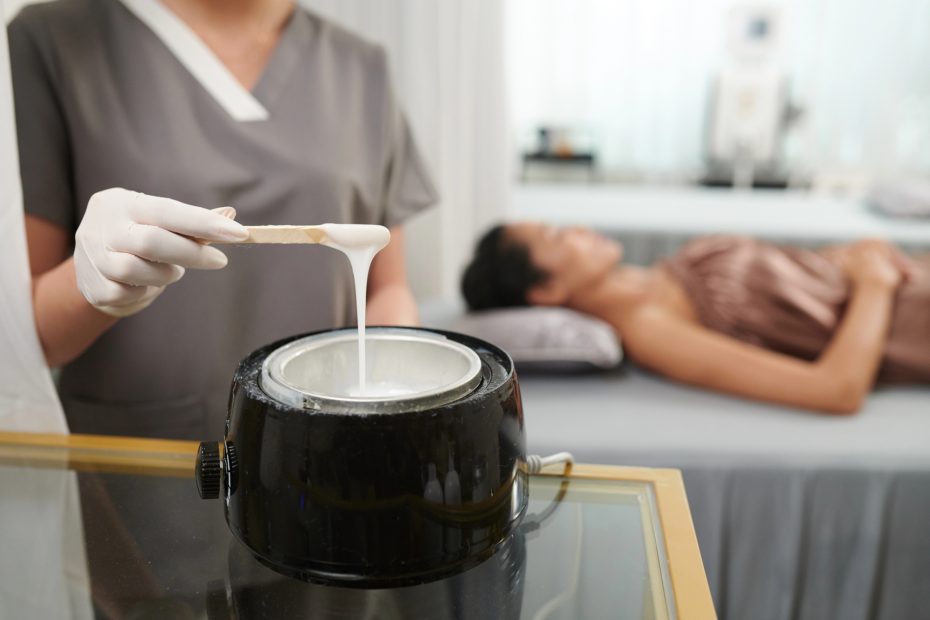
Which kind of wax is better, soft wax or hard wax?
When clients come in for a waxing appointment, one of the questions I occasionally hear is:
“What kind of wax do you use, soft or hard?”
The answer is both!
At Linde Esthetics & Wellness Studio, I use two professional-grade waxes that are manufactured in Italy and designed for sensitive skin. While they work differently, both are excellent options for removing unwanted hair safely and effectively.
The truth is that there isn’t one “best” wax for every person or every body part. The best wax is the one that matches your skin type, hair type, and the area being treated.
Let’s take a closer look at how waxing works, the differences between hard wax and soft wax, and how I determine which one is right for you.
How Waxing Works
Waxing removes hair from the root rather than cutting it off at the surface like shaving.
When the hair is removed from the follicle, results typically last much longer than shaving. Most clients enjoy smooth skin for several weeks before they notice significant regrowth. Over time, many clients also notice that their hair feels softer and finer between appointments.
Because the hair is removed from the root, proper technique is important. The condition of the skin, the direction of hair growth, and the type of wax used all contribute to the final result.
Not Every Waxing Appointment Starts With Wax
Many people imagine waxing begins when the wax is applied.
In reality, the appointment starts with an evaluation.
Before waxing, I assess:
- The condition of your skin
- Areas of sensitivity
- Current skincare products
- Hair texture and density
- Hair growth patterns
- Medications that may affect the skin
This step helps ensure that waxing can be performed safely and allows me to choose the best technique and wax for your individual needs.
Step 1: Cleansing the Skin
Every waxing service begins with cleansing.
Removing oils, makeup, sweat, skincare products, and environmental debris allows the wax to adhere properly to the hair.
Clean skin not only improves hair removal but also helps reduce the risk of irritation and post-wax breakouts.
Step 2: Preparing the Area
After cleansing, the skin is prepared for waxing.
Depending on the area being treated, preparation may include applying a protective product to help create the ideal surface for waxing.
This preparation helps improve comfort while protecting the skin throughout the service.
What Is Hard Wax?
Hard wax is applied warm to the skin and allowed to cool and harden.
Once it sets, the wax itself becomes the removal strip. No cloth or paper strip is needed.
Hard wax is unique because it tends to grip the hair more than the surrounding skin. This characteristic often makes it a popular choice for sensitive areas such as:
- Eyebrows
- Upper lip
- Chin
- Underarms
- Bikini area
- Brazilian waxing
Many clients describe hard wax as feeling more comfortable because there is often less pulling on the surface of the skin during removal.
The hard wax I use is formulated with a premium synthetic resin, making it an excellent option for sensitive skin. It applies at a low temperature and remains flexible during use, helping create a comfortable waxing experience.
One thing I particularly appreciate about this wax is its ability to grab both coarse hairs and many of the finer vellus hairs that are often left behind with lesser-quality waxes.
What Is Soft Wax?
Soft wax works a little differently.
A thin layer of wax is applied to the skin and then removed using a cloth or paper strip.
Unlike hard wax, soft wax remains pliable and does not harden on the skin.
Because soft wax can be applied in very thin layers, it can be an efficient option for larger areas such as:
- Legs
- Arms
- Back
- Chest
- and the Face
It is also excellent for removing fine hair and creating exceptionally smooth results.
The soft wax used in our studio contains ingredients chosen to support sensitive skin, including tea tree oil, which is known for its soothing properties.
When used correctly by a trained professional, soft wax can provide outstanding results while remaining gentle and effective.
Which Wax Is Better?
This is where things get interesting.
Neither.
And both.
The real answer is that the best wax depends on the situation.
Some clients assume hard wax is always superior. Others think soft wax is old-fashioned.
The reality is that professional waxing isn’t about choosing one wax and using it everywhere. It’s about selecting the right tool for the job.
Factors I consider include:
- Skin sensitivity
- Hair thickness
- Hair density
- Hair growth patterns
- Treatment area
- Previous waxing experiences
- Client comfort
Sometimes I use hard wax. Sometimes I use soft wax. Sometimes I use both during the same appointment.
The goal is always the same: effective hair removal with the least amount of irritation possible.
Removing Residue and Calming the Skin
After the waxing portion of the service is complete, the appointment isn’t over.
Any remaining wax residue is carefully removed from the skin.
Next, I apply appropriate post-wax products designed to calm, hydrate, and protect the treated area.
The products used vary depending on the area that was waxed and the client’s individual skin needs.
This final step helps reduce redness, soothe the skin, and support the recovery process.
Why Professional Wax Matters
The quality of the wax certainly matters, but technique matters just as much.
Professional waxing involves much more than applying wax and pulling hair.
Understanding skin health, hair growth patterns, proper temperature control, sanitation, preparation, and aftercare all play important roles in achieving beautiful results.
That’s why two people can have very different waxing experiences, even when similar products are used.
The Bottom Line
At Linde Esthetics & Wellness Studio, I use both hard wax and soft wax because each serves a purpose.
Both are professional-quality, low-temperature waxes designed for sensitive skin. Both can be used on the face and body. Most importantly, both allow me to customize your waxing service based on what your skin and hair need that day.
When you book a waxing appointment, you’re not just getting hair removal. You’re getting an individualized service that considers your skin, your comfort, and your long-term results.
If you’ve been curious about waxing, have questions about which service is right for you, or want help preparing for your next appointment, I’d love to help.
As your favorite esthetician, I believe great waxing is about more than removing hair. It’s about helping you feel confident, comfortable, and cared for every step of the way. I look forward to seeing you at your next appointment! -Windy Linde
Ready to Take the Next Step?
If you have any questions that aren’t answered on the website, please don’t hesitate to reach out!
You can call, text or message—texting is preferred for the quickest response.
When you’re ready to book your appointment, simply click the ‘Book Now‘ button to get started.