
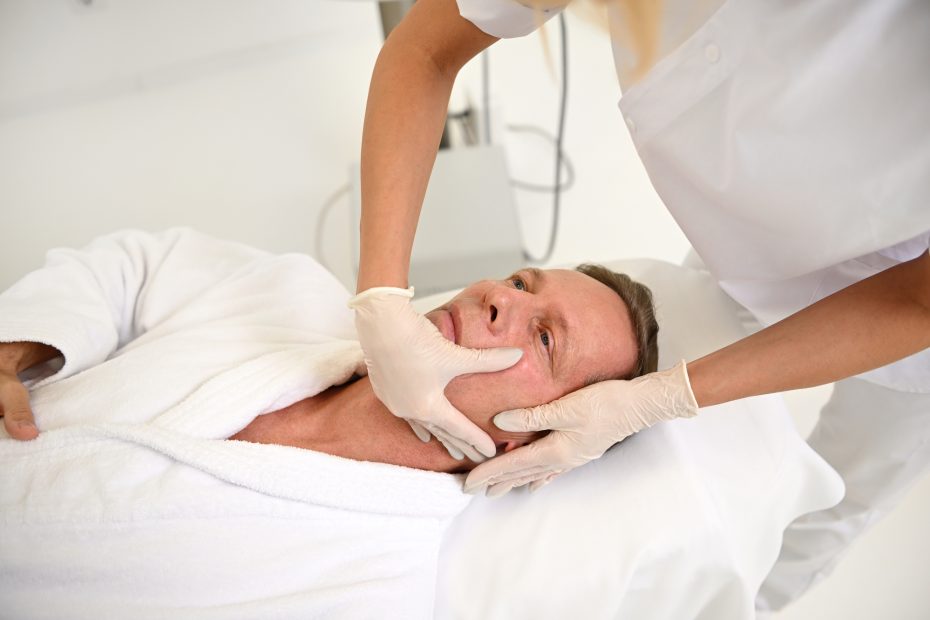
Do you ever wake up with a sore jaw? Catch yourself clenching your teeth while concentrating? Or notice tension around your temples, cheeks, and neck after a stressful day?
You’re definitely not alone. Jaw tension is incredibly common, especially when stress, clenching, or grinding sneak into our daily habits. And when your jaw feels tight or uncomfortable, it affects more than just your face — eating, talking, sleeping, and even relaxing can feel harder than they should.
So… can facial massage help?
For some people, massage may help ease muscular tension around the jaw and face. But TMJ disorders can have several causes, and massage isn’t a cure. Understanding the difference can help you decide what kind of care may be appropriate for you.
At Linde Esthetics & Wellness Studio in Springfield, Missouri, we’re preparing to introduce hands‑on facial sculpting massage — including focused work on the face, jaw, neck, shoulders, and scalp, with optional buccal massage when appropriate. This service officially launches January 1, 2027. I’m sharing these educational blogs now so you can learn about the techniques, understand your options, and feel confident when booking once appointments open.
First, What’s the Difference Between TMJ and TMD?
Most people say “I have TMJ,” but technically:
- TMJ = temporomandibular joint
- TMD = temporomandibular disorders (the actual conditions affecting the jaw joints, chewing muscles, and surrounding tissues)
People often use TMJ as shorthand for jaw problems, so we’ll use the familiar term here. But not all jaw tension is caused by a disorder, and not every click or pop means something is wrong.
TMD symptoms can include:
- Jaw pain or tenderness
- Aching around the face, temples, or ears
- Jaw stiffness or difficulty opening comfortably
- Painful clicking or popping
- Jaw locking
- Headaches associated with jaw tension
These symptoms can have different causes, which is why persistent or worsening problems deserve a proper evaluation rather than a one‑size‑fits‑all approach.
The National Institute of Dental and Craniofacial Research notes that TMD includes a range of conditions, and appropriate care depends on the individual.
How Can Stress and Clenching Affect Your Jaw?
Think about what happens when you’re concentrating, rushing, or dealing with a stressful moment:
- Your shoulders creep upward
- Your brow tightens
- Your teeth press together
Some people clench during the day. Others grind at night and don’t realize it until they wake up with jaw soreness, headaches, or changes in their teeth.
Clenching and grinding put extra demands on the muscles involved in chewing. Stress may contribute to these habits, but it isn’t the only cause of jaw discomfort.
The jaw muscles also work alongside muscles in the face, temples, and neck. When one area feels tight, you may feel discomfort elsewhere too.
This doesn’t mean all tension starts in the jaw — but it does mean that addressing the surrounding areas can be helpful.
Can Facial Massage Help Jaw Tension?
Massage can be supportive for some people when muscular tension is part of the picture.
Gentle, appropriate massage may help:
- Relax tight muscles
- Improve local circulation
- Provide temporary relief from muscular discomfort
- Support relaxation when stress contributes to clenching
However, the evidence varies depending on the type of TMD and the technique used. Massage isn’t guaranteed to help everyone, and it doesn’t correct every cause of jaw pain.
It’s also important to distinguish between muscular tension and joint‑related problems. A massage therapist cannot diagnose the cause of your jaw symptoms simply by working with the surrounding tissues.
If your symptoms are ongoing, a dentist or qualified healthcare professional can help determine whether the issue involves the joint, the muscles, grinding, or something else.
What Role Can Facial Sculpting Massage Play?
Facial sculpting massage is a hands‑on approach that goes beyond a traditional facial focused on cleansing, exfoliation, and skincare products.
Depending on your session, the work may include:
- Face
- Jaw
- Temples
- Scalp
- Neck
- Shoulders
- Décolleté
Why include these areas?
Because your jaw doesn’t function alone. The surrounding muscles contribute to posture, movement, and comfort. Addressing them can make the session more complete and supportive.
Facial sculpting massage may include techniques designed to:
- Encourage relaxation of tense facial and jaw muscles
- Address tightness around the cheeks and temples
- Support comfortable movement of soft tissues
- Encourage circulation and lymphatic flow
- Give you dedicated time to slow down and relax
These are goals of the massage experience — not guaranteed medical outcomes.
What About Buccal Massage?
Buccal massage is a specialized technique that works with certain cheek and jaw‑related muscles from inside the mouth using gloved hands.
Because some muscles can be approached from both the inside and outside, intraoral work offers another way to address accessible tissues.
Some people want buccal massage for more focused cheek and jaw attention. Others prefer external techniques only — and that’s perfectly fine.
Buccal massage:
- May be included when appropriate
- Is always optional
- Requires proper training, hygiene, and informed consent
- Is not a cure for TMJ disorders
- Is not a substitute for dental care
- Is not appropriate for everyone
Active oral infections, open sores, recent dental procedures, and certain medical concerns may mean intraoral work should be postponed or avoided.
You should always feel comfortable asking questions, declining intraoral work, or requesting that treatment stop.
When Should You See a Dentist or Healthcare Professional?
Massage may help when muscular tension is part of the picture — but it isn’t the first or only step for everyone.
Seek professional guidance if you experience:
- Persistent jaw pain
- Repeated headaches associated with jaw symptoms
- Difficulty opening your mouth
- Painful clicking
- Jaw locking
- Changes in how your teeth fit together
If your jaw locks, symptoms worsen, or pain interferes with eating or daily activities, don’t rely on massage alone. A dentist or qualified healthcare professional can assess your symptoms and recommend appropriate care.
Massage can complement a care plan when suitable, but it shouldn’t delay evaluation or replace treatment recommended for an underlying problem.
Your Jaw Deserves Attention, Too
Your jaw works hard every day — talking, eating, reacting to stress, and supporting expression. It’s no wonder those muscles sometimes need a little care.
Facial sculpting massage offers a noninvasive way to give your face and surrounding muscles some attention. It isn’t a cure for TMJ disorders, and results vary, but for people who enjoy hands‑on care, it can be a supportive part of a broader self‑care routine.
At Linde Esthetics & Wellness Studio in Springfield, Missouri, our facial sculpting massage service is designed to include personalized hands‑on work across the face, jaw, scalp, neck, shoulders, and décolleté. Optional buccal massage may be available when appropriate.
Facial sculpting massage — including optional buccal work — will officially launch January 1, 2027. Until then, I’m continuing my advanced facial massage training and building on more than 30 years of experience as a licensed massage therapist. I’m sharing these blogs now so you can learn about the techniques, understand your options, and feel confident when booking once appointments open.
You deserve care that respects your comfort, your goals, and your individual needs.
Explore services at Linde Esthetics & Wellness Studio
Related Blogs: